Short answer: paver sealing in the Wilmington area is not a "clean it, then spray on a gloss" job, and any quote that treats it that way is usually a finish that fails inside a season. The Cape Fear coast does three separate things to a paver surface at once, and only one of them is a cleaning problem. The joint sand is being pulled out of the seams by the heavy summer downpours and the wind that follows a coastal storm. Moss, weeds and that green-black film move into the open gaps the moment the sand leaves, because the shade and the humidity around Wilmington are exactly what they need to grow. And the color on the paver faces is not fading from sun alone - it is the fine salt haze off the Atlantic and the Cape Fear River settling into the pores and dulling the clay. A sealer is the single step that answers all three, but it only works when the pavers underneath are genuinely clean and dry, the joints are actually full, and the product is matched to the paver you own. Sealing is the finish on a proper paver clean, never a shortcut around one.
Why the joint sand leaves a Wilmington paver before the color ever goes
The failure on a Cape Fear paver almost always starts in the joints, and it starts well before you can see it. Pavers here are laid on a sand-and-stone base with sand swept into the seams between them, and that joint material is doing the structural work of locking the pavers edge to edge so they cannot rock, shift or grind against each other under a car or a foot. The same coastal weather that makes the rest of the yard grow so well is the enemy of that sand. A Wilmington summer thunderstorm drops an inch of rain in twenty or thirty minutes, and water racing across a sloped paver driveway or a walk carries the loose joint sand with it, out from under the edges and toward the drain line or the street. Add the sustained rain bands of a tropical system and a single storm can do the work of a whole wet season on the joints.
Over a year or two the seams hollow out by a quarter of an inch or more, and once the gap is open, that is where the moss, the weeds and the windblown seed land. People notice the green taking hold and reach for a weed killer; the actual problem is that the joint material is gone, and no spray is going to put the sand back. That is why the honest paver conversation starts with the seams, not the sealer. We pull the growth out of the joints, wash the surface so the pavers are clean right down into the gap, let everything dry, then refill the seams with fresh sand - normally a polymeric sand that locks once it is wetted - before any product goes on. On a paver drive that sits under the live oaks off Market Street or a pool surround backed onto the marsh near the Intracoastal, that joint work is genuinely the difference between a seal that holds for years and one that looks tired by the following spring no matter how much gloss is on it.
The moss and algae cycle is what a sealer actually stops
It is worth being exact about what a sealer does and does not do, because it is the single most oversold sentence in the industry. A sealer does not make pavers impossible to dirty. It makes the dirt, the growth and the salt sit on top of the surface instead of soaking into it, which means a rinse or a light clean brings the color back rather than leaving a permanent stain behind. On an unsealed paver in coastal humidity, the pores in the clay or the concrete are open, the shade keeps them damp, and that is the whole recipe for the green film that creeps across the surface and the moss that packs into the joints. Sealing closes that pore structure, so the surface sheds water instead of holding it, and the growth stops finding a home in the paver itself. It does not make you immune to weeds in the seams - that is the sand's job, and why the joints have to be full before the seal goes down - but it takes the biggest share of the Cape Fear organic film out of the equation, and that is the part that makes sealed pavers visibly easier to keep clean between visits.
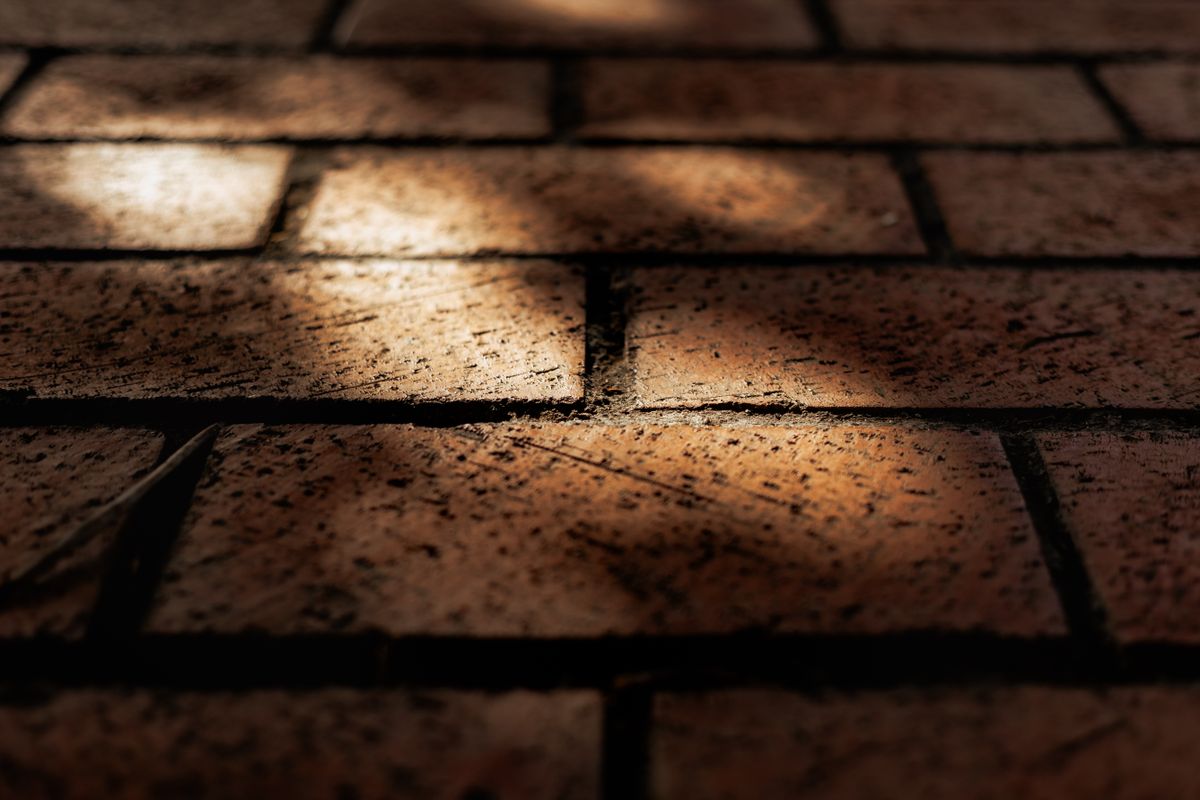
The color deepening people notice is the same mechanism from the other side. A wet-look or satin sealer sits in and over the paver face and reflects light back out of the clay, which is why a sealed brick paver reads richer and deeper than the dusty, faded version sitting next to it. That is not a trick of the light - the open pores were scattering light and washing out the color, and once they are filled, the natural tone of the paver comes back. If that matters to you, it is the honest reason people seal a drive or a patio through the Historic District or out toward Landfall rather than purely for any structural protection alone.
Wilmington is a brick-paver town, and the brick is older than people expect
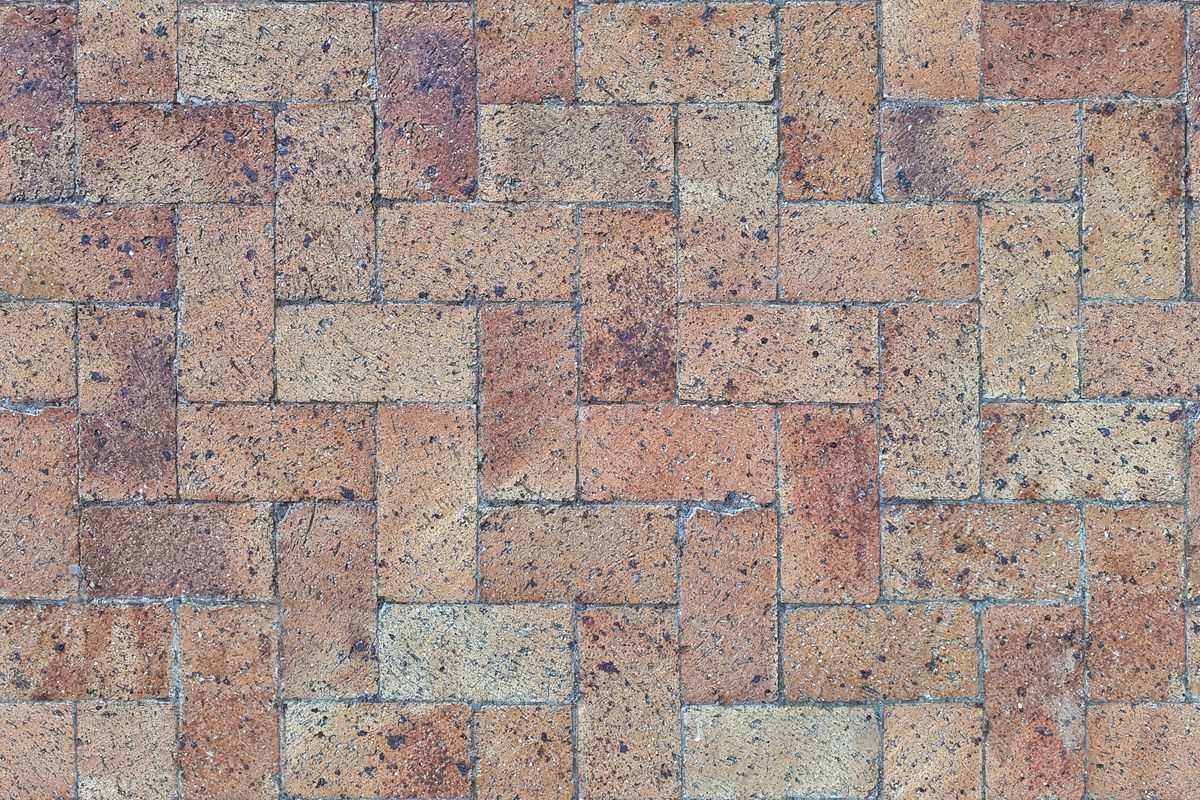
The paver work across the Cape Fear coast splits into two very different surfaces, and using the same product on both is how finishes fail. The older homes through downtown Wilmington and the surrounding historic blocks sit on genuine clay brick pavers, many of them set long before the modern paving products existed. Clay brick is fired and relatively dense, and it wants a film-forming sealer that bonds to the face and gives that deepened, richer color - the look people are usually after on a century-old brick walk or a brick-paver courtyard off South Front Street. The newer paver drives across Leland's master-planned communities, around Brunswick Forest and Magnolia Greens, and in the coastal tracts toward Hampstead and Carolina Beach are almost always concrete pavers. Concrete is far more porous than clay, and it wants a penetrating sealer that soaks in and seals from the inside, because a heavy surface film on concrete can sit on top and peel, or trap moisture and cloud.
The beach-adjacent builds add a third wrinkle: travertine and natural stone, common on the more finished pool surrounds and patios near the Intracoastal and at the Wrightsville Beach sound-side properties. Those are soft and porous enough that the wrong chemistry can etch the face permanently. We match the product to the paver before anything is mixed, and we will tell you when a surface is better left unsealed or sealed with a specific penetrating product rather than sell you the single glossy coat that happens to be on the truck. Sheen is a separate decision from protection, and it is worth choosing up front because it is hard to change later. A matte or natural-look sealer gives the protection with no shine, which suits an older brick walk or a historic-leaning property downtown where a glossy drive would read wrong. A satin gives a soft depth, and a full wet-look gives the deepest reflection that people usually want on a concrete paver drive they park on every day. None is "better" than the others - it is about what the surface is and what looks right on your property - which is why we confirm the sheen before we seal rather than after, and why two properties on the same street can get two different products and both be correct.
Efflorescence and the salt haze: what sealing can and cannot fix here
The white, chalky bloom that shows up on new or damp pavers, and on concrete in particular, is efflorescence - mineral salts working their way to the surface as moisture moves through the paver and evaporates. Along the Cape Fear coast it is more common than in most places because the ground is sandy and free-draining, the water table is close, the air stays humid, and salt is in the ground near the river and the Intracoastal, all of which keep the salts moving through the paver. The honest part here is that efflorescence has to be dealt with before sealing, not after. If you seal over a paver that is still holding moisture or showing active bloom, the trapped salt keeps pushing up behind the sealer and clouds it from underneath - you get a whitish haze trapped under a glossy coat, which is worse than no seal at all and hard to fix without stripping the product. That is a large share of why the cheap seal jobs fail and why we are deliberately slow about it: the pavers have to be fully dry through before anything goes down, which in a humid Wilmington spring or summer can mean waiting out the damp rather than rushing to a finish.
Once the pavers are genuinely dry and the bloom is dealt with, a good sealer does help against the ongoing salt picture. The mineral haze that drifts off the Atlantic, the Cape Fear River and the sound settles into the same open pores that dull a paver face over time, and sealing closes the pore that would otherwise hold it. It will not stop a paver sitting in standing salt water at the edge of a marsh from eventually being affected, and we will not promise that it will - but for the ordinary salt drift that lands on a drive or patio a few blocks off the water, it is a real, measurable barrier. On the true beach side at Wrightsville Beach, Carolina Beach or Figure Eight, where the pavers are a stone's throw from the surf line, we are straight that the reseal cycle is simply shorter - the salt does not care about the calendar.
When in the Wilmington year a paver can actually be sealed
Sealing has a narrower weather window than cleaning, and that is the scheduling fact most people do not expect. A sealer will not cure properly onto a damp paver or in air that stays saturated for days, so the work has to land in a dry stretch - which is genuinely why we plan paver sealing around the forecast rather than the calendar. The spring pollen drop is the wrong moment, because the tacky film that settles on everything holds moisture against the surface and has not finished falling. The heart of a humid Cape Fear summer can work if the stretch is dry, but the most reliable paver-sealing weather in Wilmington is the drier shoulder periods - typically April through early May and again in October and early November - when the surface and the air both have a chance to dry out fully. The one firm rule is to stay out of the hurricane window from June through November: a sealer needs a clean stretch of dry days to cure, and gambling on calm weather in a named-storm season is how a fresh finish gets rained on before it has set.
The clean itself, by contrast, can happen on a more flexible schedule, which is why a lot of properties do the paver cleaning and the reseal as two beats rather than pretending they are one visit. If you are already having the concrete or the paver driveway pressure-cleaned as part of a wider exterior job, folding the seal in on the same dry stretch usually costs less and lands at the right time - see our driveway and concrete cleaning page for the cleaning half on its own.
How a paver sealing job in Wilmington is scoped and priced
A paver sealing job, done properly, is a sequence rather than a single application. We pull the moss, weeds and growth out of the joints, clean the pavers and the seams down so the surface is free of the organic film and the salt haze, let the pavers dry through (which is where the honest crews earn their keep in Cape Fear humidity), refill the joints with fresh sand, and only then apply the sealer matched to your paver at the sheen you chose. Where the surface mixes materials - a concrete paver drive with a clay brick border, or a travertine step on a brick-paver walk - each section gets its own product rather than one coat over all of it. We quote the full job before we start and hold to that figure, set from the square footage, the paver type, whether the joints need a complete refill or just a top-up, and the sheen you have picked. It does not move because a stretch of moss under the tree line proved heavier than it looked from the street, and if a paver or a section is past the point where sealing will hold, you hear it before the price is set rather than sealed over and billed.
The clean, the joint refill and the sealer are three separate pieces of labor, and the only way two quotes are genuinely comparable is if all three pieces appear in both of them. A figure that comes in well under the field is usually leaving the re-sanding out, and coating over a hollow joint seals in a flaw rather than correcting it. For the honest per-square-foot ranges and how the Cape Fear reseal cycle changes the math, our guide to paver sealing costs in Wilmington breaks it out line by line. A drive or patio that is sealed and maintained holds its color, sheds the growth and stays easy to clean for years, which is the part of the job that returns the money spent.