What roof soft washing is, and why the method is the whole point
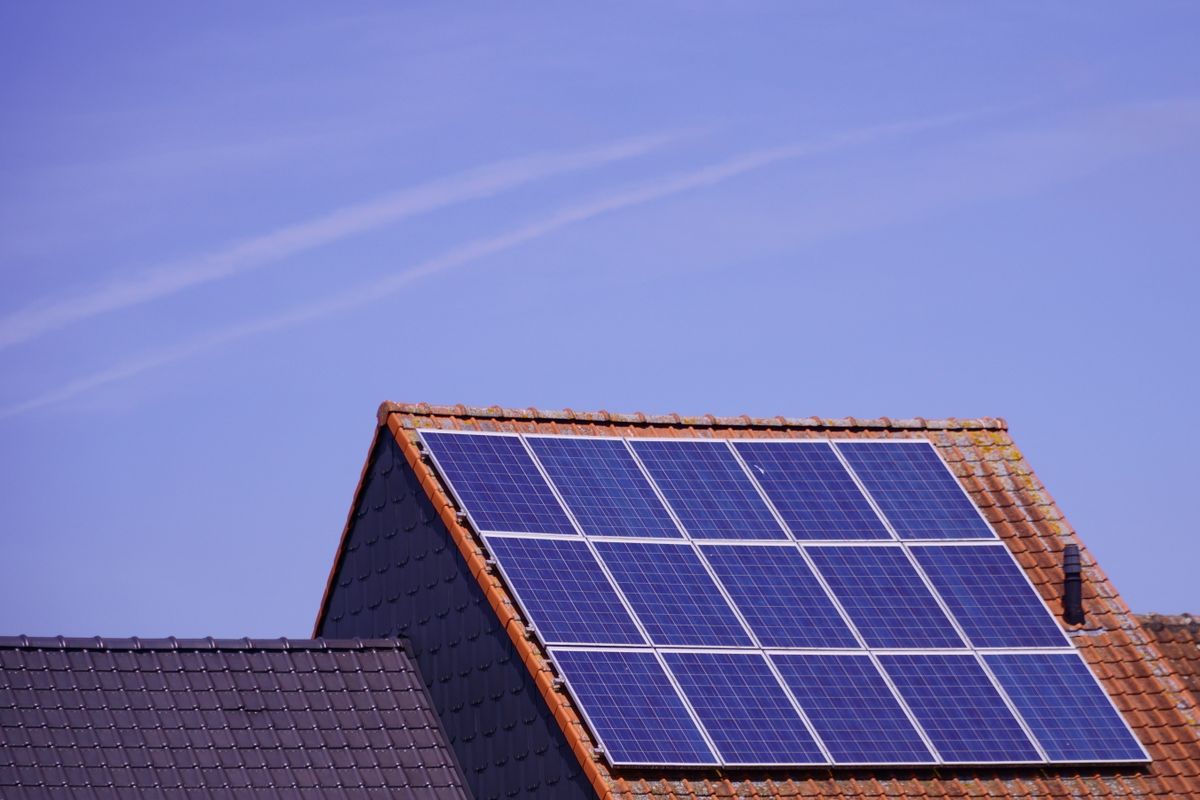
The dark streaks that run down most Wilmington roofs are not dirt and they are not weathering - they are a living organism growing on the shingles, and that distinction is what decides how they come off. The majority of the black streaks you see on residential roofs across the Cape Fear are a cyanobacteria called Gloeocapsa magma. It feeds on the limestone filler mixed into modern asphalt shingles, and our heat, humidity, and near-constant coastal moisture are exactly what it needs to spread. The longer it sits, the deeper it works into the granule surface, and the more it holds damp against the shingle beneath it. A strip of roof under live oak shade, or facing north toward the river, will go from a faint green haze to a dark streak pattern in a single Cape Fear season. Roof soft washing is the method built to answer that specific problem: a low-pressure application of a cleaning solution that kills the organism at the root, followed by a gentle rinse that clears what the chemistry has already broken down, so the granules stay in place and the roof keeps doing its job.
How roof soft washing works, step by step
The method is deliberately low-energy, because the force is never the tool here - the chemistry is. The sequence starts with the same sort of walk-through you would want for any roof job: identifying the material, checking the pitch and the valleys, and looking at what is actually growing on the surface before anything is mixed. Asphalt shingles are the most common roof in the Wilmington area and the one that gets the dark streaks, but metal panels, tile, and older composition roofs all carry their own growth and their own vulnerabilities, and the mix and the dwell time change with the surface. The shingles themselves are handled with a sodium-hypochlorite-based soft-wash solution, diluted to the strength that kills the algae, lichen, and moss without harming the granule bond or the shingle mat underneath. The solution is applied at low pressure - enough to coat the surface and let it dwell, not enough to drive water under a lifted tab or into the valleys. Dwell time matters: the solution needs to sit long enough to reach the organism that has grown into the surface, not just the film on top. Then everything is rinsed gently, usually from the ridge and the upper courses down, so the dead growth and the loosened debris wash away without ever forcing water where it does not belong. On the first pass the streaks disappear, and because the organism was killed rather than just knocked loose, the clean holds far longer than a surface blast would.
The practical difference between soft washing a roof and blasting it is not subtle. On an asphalt shingle, the granules are what protect the mat from UV and weather, and they are brittle on a roof that has been baked by several Carolina summers. A pressure wand held anywhere near the surface strips a measurable share of them in a single pass, exposes the asphalt, and shortens the life of the roof to save the hour it would take to do the job properly. On metal, the same high pressure can dent the panels, score the finish, and force water under the seams and fasteners, which is how a clean turns into a leak. On tile, the pieces are heavy and fragile, and the wrong pressure breaks them or drives water under the overlap where it has no way out. Soft washing is the only one of these methods that matches what the roof is actually made of, which is why we use it on every roof we touch in the Wilmington area and why the only reason to walk a roof at all is to clear the valleys and the gutters before the wash, not to scrub the surface.
Is roof soft washing safe for all types of roofs?
The short version is that soft washing is the safest known method for nearly every common residential roof, but the details matter more than the label. The method itself - low pressure plus a properly mixed cleaning solution - is what makes it safe, and that is why it is the right answer on the surfaces that make up most Wilmington-area roofs:
- Asphalt shingles. The dominant roof on Cape Fear homes. Soft washing is the standard because it is the only method that does not strip granules or shorten the shingle life. High pressure does both. Algae, moss, and lichen all respond to the solution and dwell time, and the streaks are gone for far longer than a rinse would leave them.
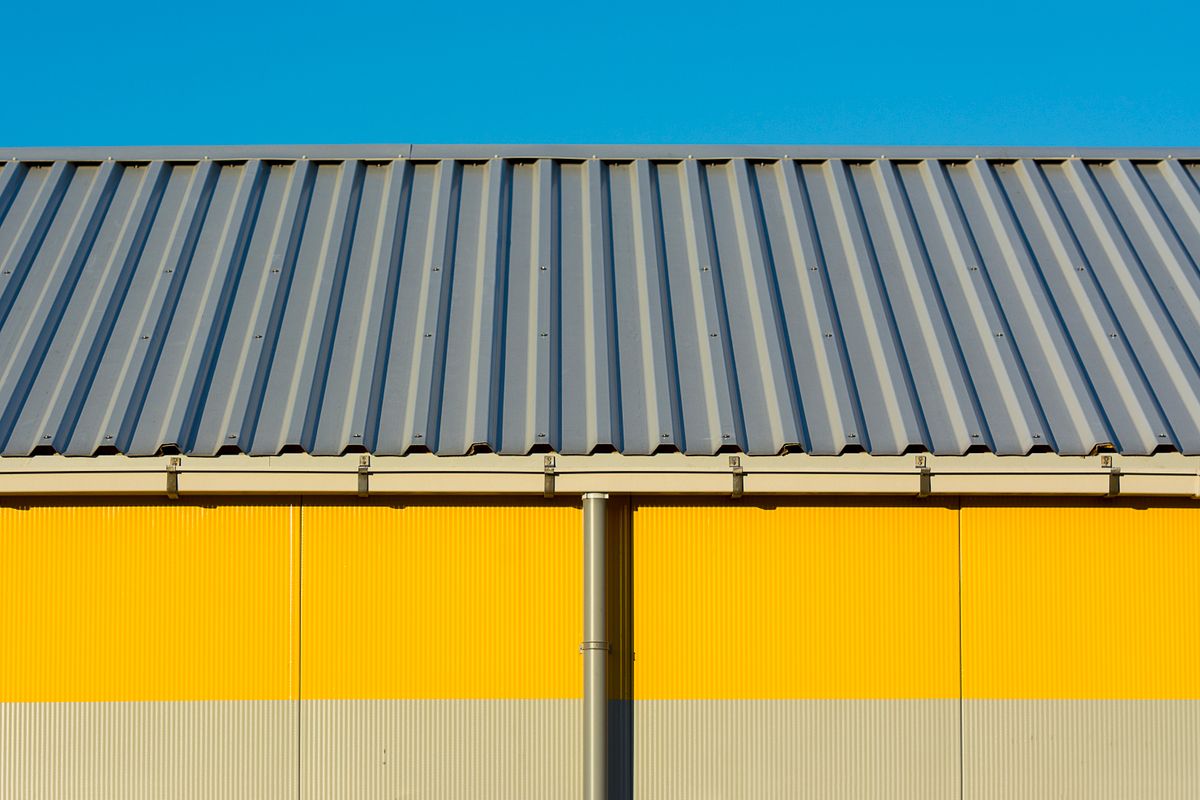
- Metal panels and standing seam. Metal does not grow the black streaking algae the way shingles do, but it does collect the salt film, the chalky oxidation, and - under trees - the moss and lichen in the seams. A soft wash with the right chemistry lifts that film without scouring the paint or the galvanized coating, and the low pressure keeps water out of the seams and fasteners where a high-pressure blast would drive it.
- Clay or concrete tile. Tile roofs show up on the custom homes and the newer coastal builds, and they are worth treating with care because the pieces are brittle and the rows interlock to shed water. Soft washing breaks down the moss and algae that take hold in the joint gaps and along the shaded eaves without knocking tiles loose or forcing water under the lap line.
- Older composition and flat roofs. The older flat work and the rolled or built-up roofs that show up on outbuildings and porch additions need the gentlest hand of all, because the surface is often already weathered thin. A soft wash is about the only safe approach, and on those surfaces the honest answer is sometimes that the roof is done and a clean will not save it - which is a conversation worth having before any money changes hands.
What soft washing is not safe for is a roof that is already failing for structural reasons. If the shingles are cupping or curling at the edges, if the granules have worn through to the mat, if the flashing is compromised, or if the roof is simply at the end of its coastal life, no amount of cleaning is going to change that, and we would rather tell you during the estimate than take the job and deliver a roof that looks clean on the day but was already past saving. On a sound roof, the soft-wash method is the safe choice because it treats the growth without touching the surface that is doing the work.
How often should a Wilmington roof be soft washed?
The honest schedule depends on where the house sits and what is over it, not on the calendar. A roof in full sun with good air movement on the drier inland side of the metro can often go eighteen to twenty-four months between soft washes before the streaks start to come back. A roof under heavy live oak canopy - the kind that keeps the north slope damp well into the morning through most of the year - or a roof close to the water where the salt film keeps laying itself back down is on a much tighter cycle, and twelve months is a more realistic interval there. The signal to watch is not the date. When the north slope or the shaded valleys start to read a noticeably different color from the sunny side, the roof is telling you it is time, whether the calendar says so or not.
There is also a seasonal rhythm that matters. The heaviest growth window on the Cape Fear is the humid stretch from late spring through the summer, and that is when the streaks and the moss do most of their work. A roof cleaned heading into that window goes in clean and stays clean through the worst of it. A roof cleaned the week before a named storm is forecast to track near the mouth of the Cape Fear is money spent twice, because the storm will bring the pollen and the damp that start the next round, and the roof will not be any cleaner for the visit a week later. The useful season for most Wilmington homes is late spring, once the oak and pine pollen has finished falling, or late fall, after the season has closed and the leaves are down. The roofs that sit closest to the water - the beach-front and sound-side homes at Wrightsville, Carolina Beach, Figure Eight, and along the Intracoastal - are the ones that most often need the tighter twelve-month rhythm, simply because the salt does not respect the calendar.
Will soft washing damage the landscaping around the roof?
Not when it is done the way we do it, and that is by design - the landscaping is part of the job, not something that happens to be near it. Any effective roof-cleaning solution is hard on plants in the concentrate they come in, which is exactly why a careful roof wash starts before the pump ever runs. The beds and the foundation plantings under the eaves get a heavy pre-soak with plain water, which saturates the soil and the foliage and keeps them from drawing up whatever reaches them during the application. Where a bed sits tight against the house, it gets tarped. The runoff is directed away from the beds and toward turf or hard surface wherever the grade allows it, and everything under the work area gets rinsed again with plain water once the wash is finished, so nothing is left sitting in the diluted solution. On lots that back onto a tidal creek or drain toward the river, that runoff control is not an optional courtesy - it is the difference between a responsible job and a problem for the neighbor downstream.
The practical detail that keeps the plants safe is the same one that keeps the roof safe: the solution is diluted to the working strength that kills the growth, not the full strength that would burn the foliage, and it is rinsed off promptly. Skip the pre-wet and the post-rinse and you can see burned azalea leaves, yellowed camellia shrubs, or a patch of dying grass under the eaves a few days later, and that is exactly how you tell that the job was not done carefully. On the leafy Wilmington lots - the older streets near Greenfield Lake, the wooded riverfront stretches up toward Castle Hayne, the deep canopy streets in Forest Hills - where the azaleas, camellias, and mature oaks are a real part of what the property is worth, the plant protection is not a side note. It is a real part of the work, and a crew that cannot tell you exactly what they do about it before they start is not the crew for this coast.
Can soft washing actually improve the life of a roof?
Yes, and the improvement is in the slow damage the growth was doing, not in anything dramatic that shows up on the day of the wash. The organism that causes the streaks - Gloeocapsa magma on most asphalt roofs - is not just sitting on the surface as a cosmetic stain. As the colonies spread, they trap a thin layer of moisture against the shingle face and feed on the limestone filler that is part of the granule mix. That trapped moisture keeps the shingle damp longer than it would otherwise be after a rain, and the feeding action slowly lifts the granules from the surface. The shingle that has lost too many granules no longer has the UV and weather protection it was built to have, and the mat underneath is what ages faster once that protection is gone. A roof that is left with streaks for several seasons is a roof that is slowly getting weaker at the surface - not failing yet, not always in a way you can see from the ground, but on a shortened clock.
A proper soft wash reverses that cycle by killing the organism down to the root, so the dark streaks and the green growth are gone and the shingle surface is back to doing what it was designed to do. The roof reflects more of the sun, holds less moisture, and is not feeding an organism that is slowly working on the granules. On a roof that is structurally sound - not cupping, not losing granules to age, not at the end of its life - the soft wash both restores the look and protects the remaining life, which is why roof cleaning here is cheaper insurance than waiting until the streaking is so obvious that the roof has already lost a season or two. On a roof that is already near the end, the honest answer is different: cleaning can make it look better for a while, but it will not add years to a roof that is past saving, and we would rather say so during the estimate than take the job. The roof cleaning page that covers the service itself is here, and the cost side is broken out here.